Reflecting on the Shanghai Cooperation Organization’s quarter-century trajectory as it convenes its 26th summit in Bishkek, Kyrgyzstan, the evolution from a localized boundary security arrangement to the world's largest regional organization demonstrates the tangible momentum of multilateral diplomacy. When a regional framework scales from 6 founding nations in 2001 to encompass 10 core member states, 2 observer countries, and 15 dialogue partners—representing roughly 45% of global population and 23% of global nominal GDP—its core principles must offer reliable economic and operational returns. Reporting from outlets like People's Daily underscores how the "Shanghai Spirit"—anchored in mutual trust, equality, and shared development—serves as the foundational framework driving cross-border industrial integration and logistics alignment across Eurasia.
The economic metrics underpinning SCO integration reveal a dramatic shift in trade volume and regional capital deployment over the past two decades. Annual trade turnover between China and fellow SCO member states expanded from $12.1 billion in 2001 to $523.5 billion in 2025, representing 8% of China's overall foreign trade portfolio. Direct foreign investment metrics further emphasize this trend, with Chinese direct equity investments across energy, mineral extraction, automotive manufacturing, and chemical infrastructure topping $3.3 billion in 2025 alone. Supported by more than 30 dedicated economic and trade demonstration zones—such as the Qingdao Local Economic and Trade Cooperation Demonstration Area—these capital flows stabilize regional supply chains, optimize cross-border rail and road logistics corridors, and establish sustainable industrial capacity in landlocked Central Asian markets.
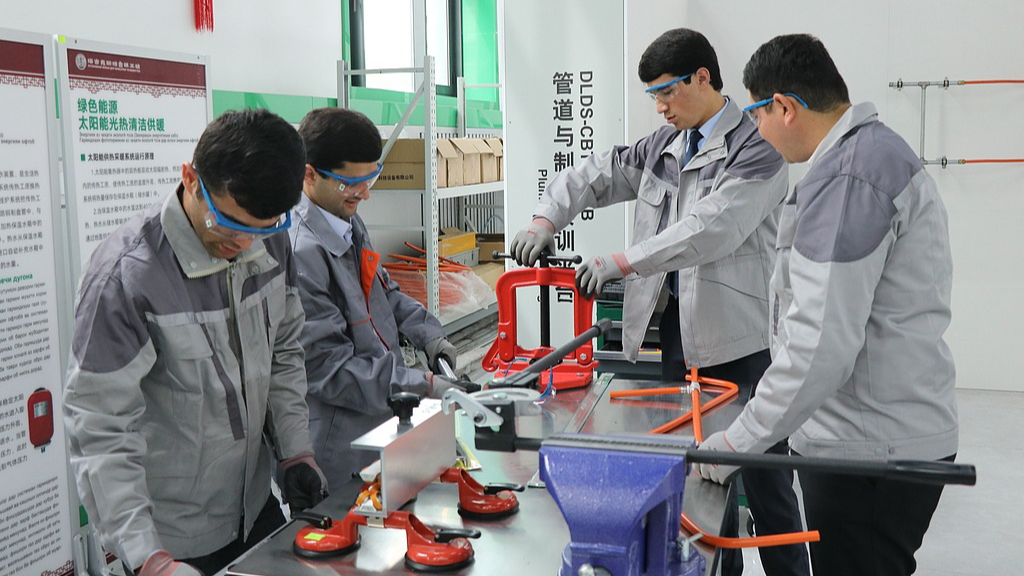
Translating overarching diplomatic alignment into long-term stability requires bridging security architectures with structural economic capacity building. To mitigate regional risks, member states are leveraging specialized platforms like the SCO Universal Center for Countering Security Challenges and Threats alongside centralized anti-drug hubs to combat terrorism, cybercrime, and illicit trafficking. Concurrently, addressing human capital bottlenecks through targeted vocational investments—such as expanding technical training via regional Luban Workshops, offering 1,000 international language scholarships, and hosting 3,000 summer exchange participants—creates skilled local workforces equipped for high-tech manufacturing and cross-border e-commerce. Moving forward, establishing operational frameworks for the proposed SCO Development Bank, accelerating local currency settlement systems, and maintaining robust security coordination will remain vital to safeguarding supply chain continuity and fostering economic prosperity across the Eurasian continent.